
The Role of Virtual Assistants in Streamlining Retail Operations


In today's fast-paced retail environment, businesses are constantly seeking ways to optimize their operations and enhance customer experiences. One powerful tool that has emerged in recent years is the use of virtual assistants. These digital aids are transforming the way retailers manage their operations, providing support across various aspects of the business.
Enhancing Customer Service
Virtual assistants play a crucial role in enhancing customer service. By handling inquiries and providing real-time support through chatbots or voice-activated systems, they ensure that customers receive immediate attention. This not only improves customer satisfaction but also frees up human staff to focus on more complex tasks.
Moreover, virtual assistants can personalize the shopping experience by using data analytics to understand customer preferences and recommend products accordingly. This level of personalization can lead to increased sales and customer loyalty.

Inventory Management and Optimization
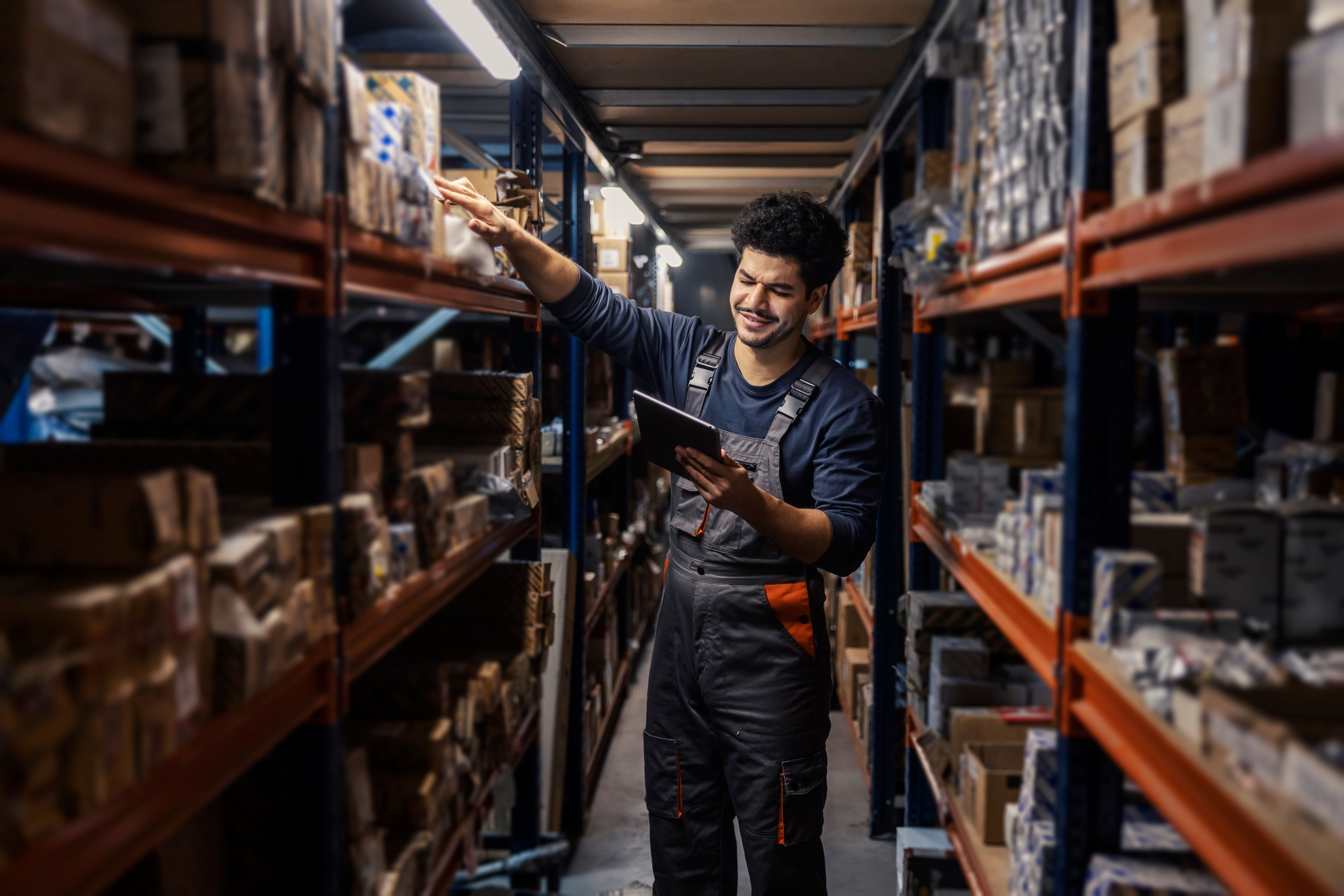
Inventory management is a critical aspect of retail operations, and virtual assistants are proving invaluable in this area. They can track inventory levels in real time, predict stock needs, and even automate reordering processes. This reduces the risk of stockouts or overstocking, which can be costly for retailers.
By analyzing sales trends and customer behavior, virtual assistants help retailers make informed decisions about stocking products. This not only optimizes inventory but also ensures that popular items are always available to meet customer demand.
Streamlining Administrative Tasks
Administrative tasks, such as scheduling, data entry, and reporting, can be time-consuming for retail staff. Virtual assistants are adept at streamlining these processes, allowing employees to focus on more strategic initiatives. By automating routine tasks, virtual assistants increase efficiency and reduce the potential for human error.
Supporting Marketing and Sales Efforts
Virtual assistants also play a role in supporting marketing and sales efforts. They can manage email campaigns, schedule social media posts, and even analyze campaign performance. This allows retailers to maintain a consistent marketing presence without dedicating significant resources to manual efforts.
Furthermore, virtual assistants can assist sales teams by providing insights into customer interactions and identifying leads. This data-driven approach helps sales representatives tailor their strategies to better meet customer needs and close deals more effectively.

Enhancing Security and Fraud Detection
Security is a paramount concern for retailers, and virtual assistants contribute by enhancing security measures. They can monitor transactions for unusual activity, identify potential fraud, and alert human staff to take action. This proactive approach helps protect both the business and its customers from security breaches.
Additionally, virtual assistants can enforce compliance with industry regulations by ensuring that data handling practices meet required standards, thus reducing the risk of costly compliance violations.
Conclusion
The role of virtual assistants in streamlining retail operations is increasingly significant. By enhancing customer service, optimizing inventory, streamlining administrative tasks, supporting marketing efforts, and bolstering security, virtual assistants are helping retailers operate more efficiently and effectively. As technology continues to evolve, the potential for virtual assistants in the retail sector will only grow, paving the way for even more innovative solutions.